




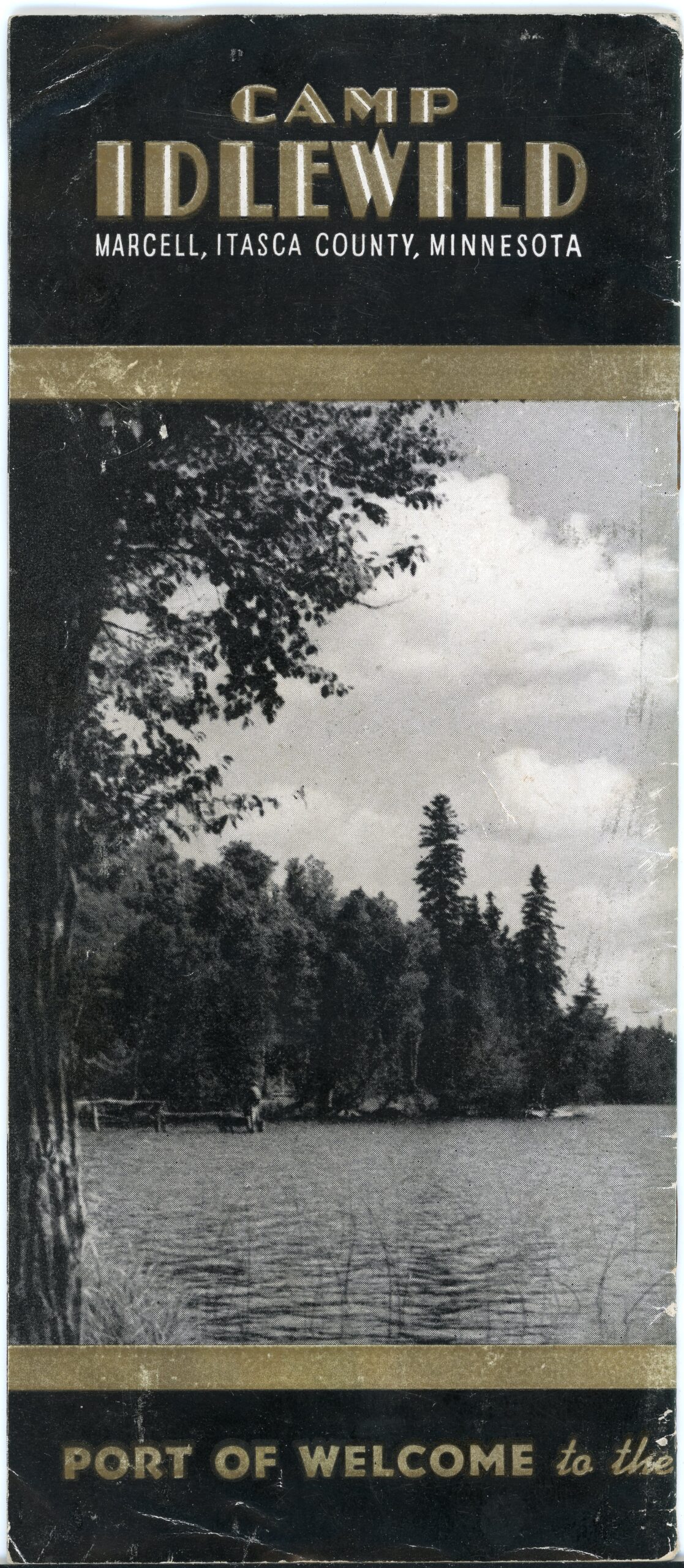
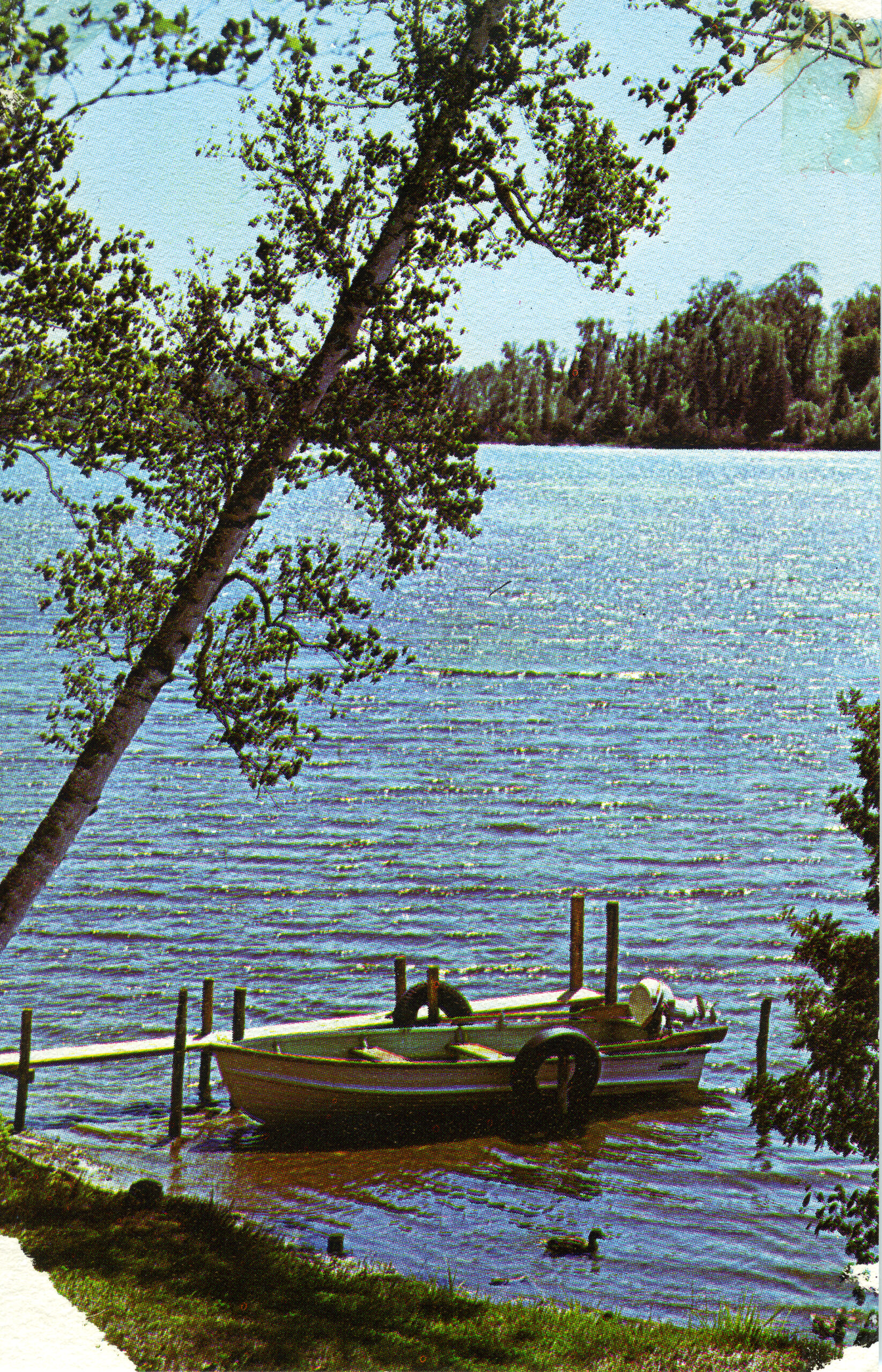
Camp Idlewild
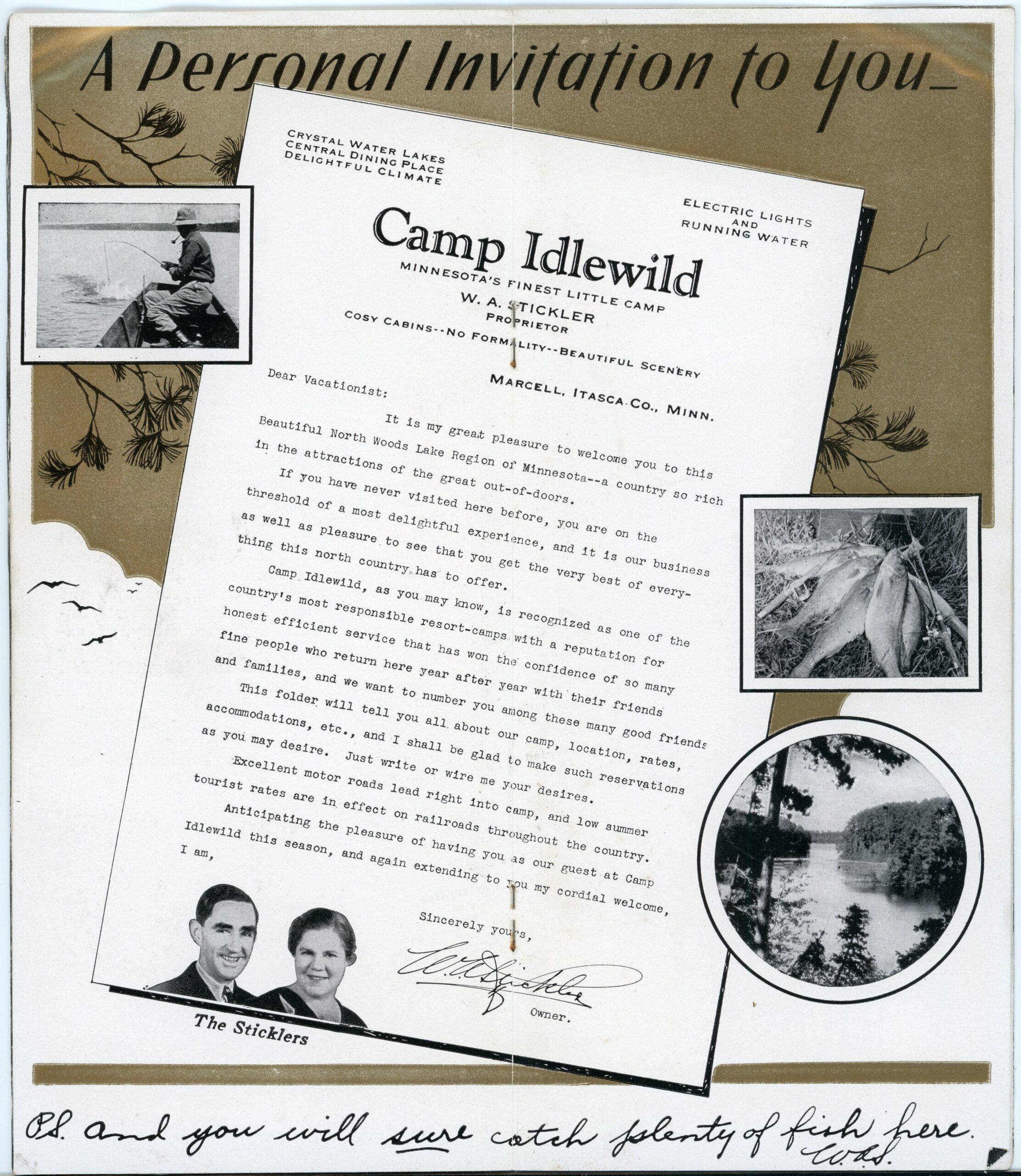
W. W. Stickler came to Minnesota in 1907 as a young man from Mishawaka, Indiana on the advice of his doctor. Walter survived a slight heart attack at the age of 20 due to anemia. His doctor suggested drinking the iron rich water and fresh meat might alleviate his anemia and it did. In 1909 he returned to Mishawaka and married Rose Nickart. Shortly afterward in 1910, he returned to Minnesota with making plans for a resort. He built a small general store at Alder and became its Postmaster. While there, he frequently received inquires about sporting opportunities and recreation facilities in the area. His idea was to build a wilderness camp for anglers.
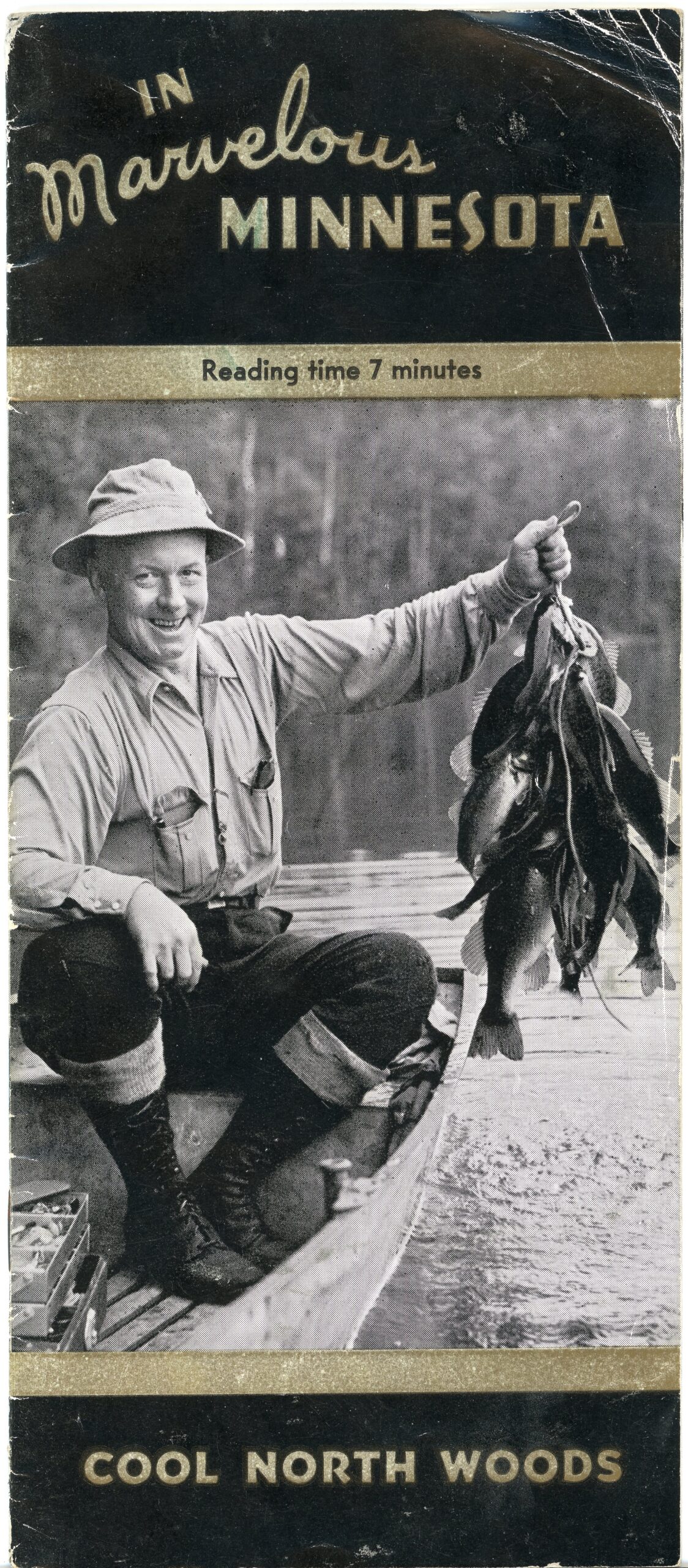
Until the 1900’s anglers fished with the fly or trolled with oars. However, angling techniques began to change in the 1890’s with the development of overhead casting with shorter rods. This type of fishing evolved primarily by a group of anglers from Chicago and Kalamzoo. These anglers used eight foot rods designed for side casting. For greater accuracy, the anglers developed stiff 4 ½ to 6 foot rods for greater accuracy. In addition, with the development of artificial wooden baits, overhead casting evolved very quickly. In this environment it’s surmised that Camp Idlewild probably was probably the first Northern Minnesota fishing camp to meet the demand for angling facilities.
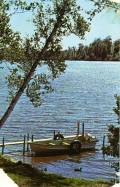
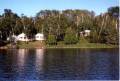
Due to an inheritance of $400, he bought a half mile of shoreline on Potato Lake near Marcell for $150. He petitioned the county board to change the name from Potato Lake to Northstar Lake as he thought Potato Lake didn’t sound very idyllic. Furthermore, at that time there were 13 Potato Lakes in the state.
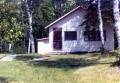
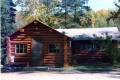
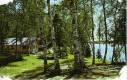
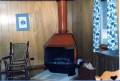
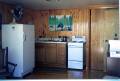
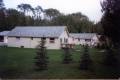
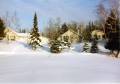
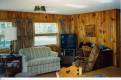
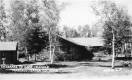
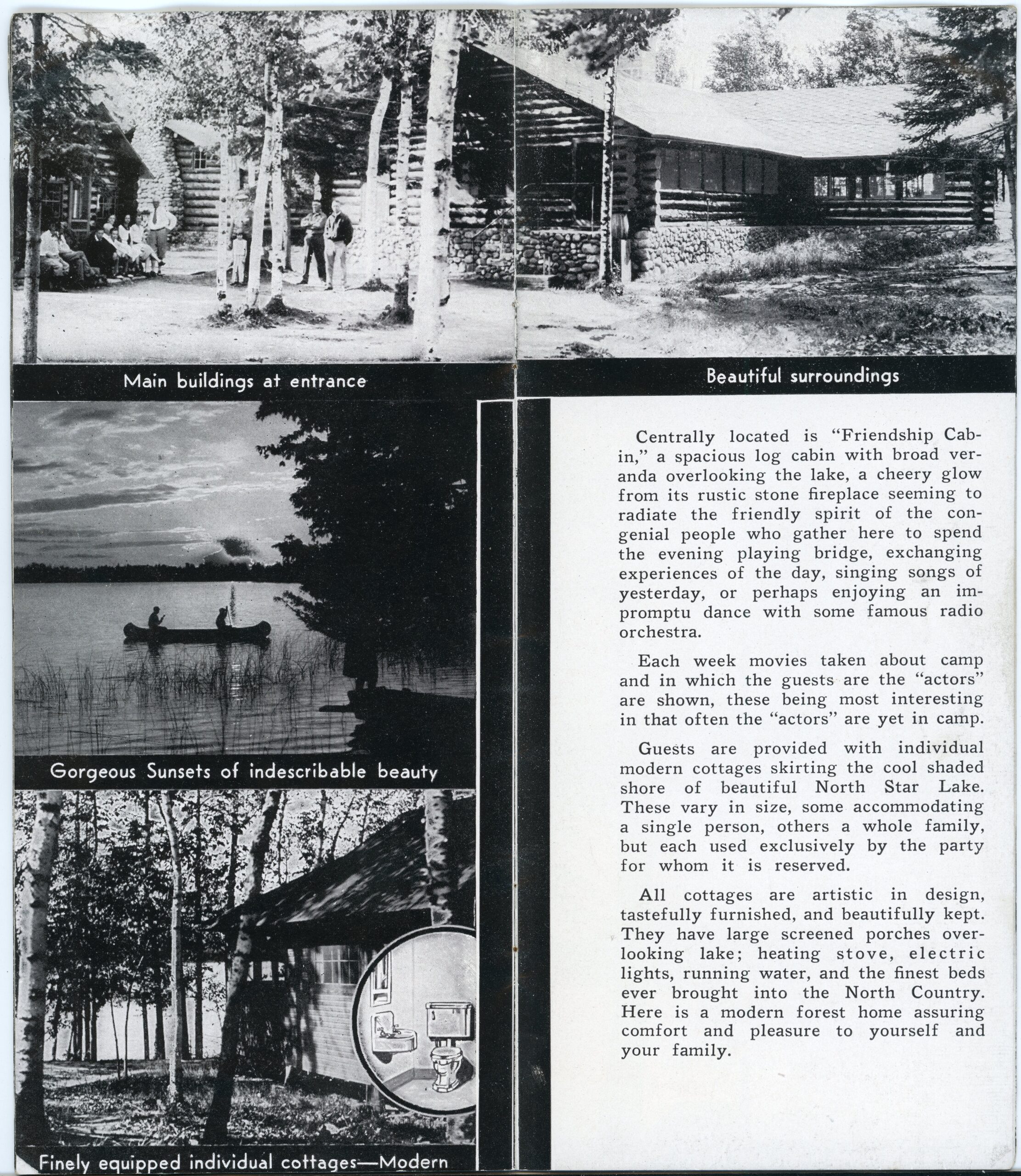
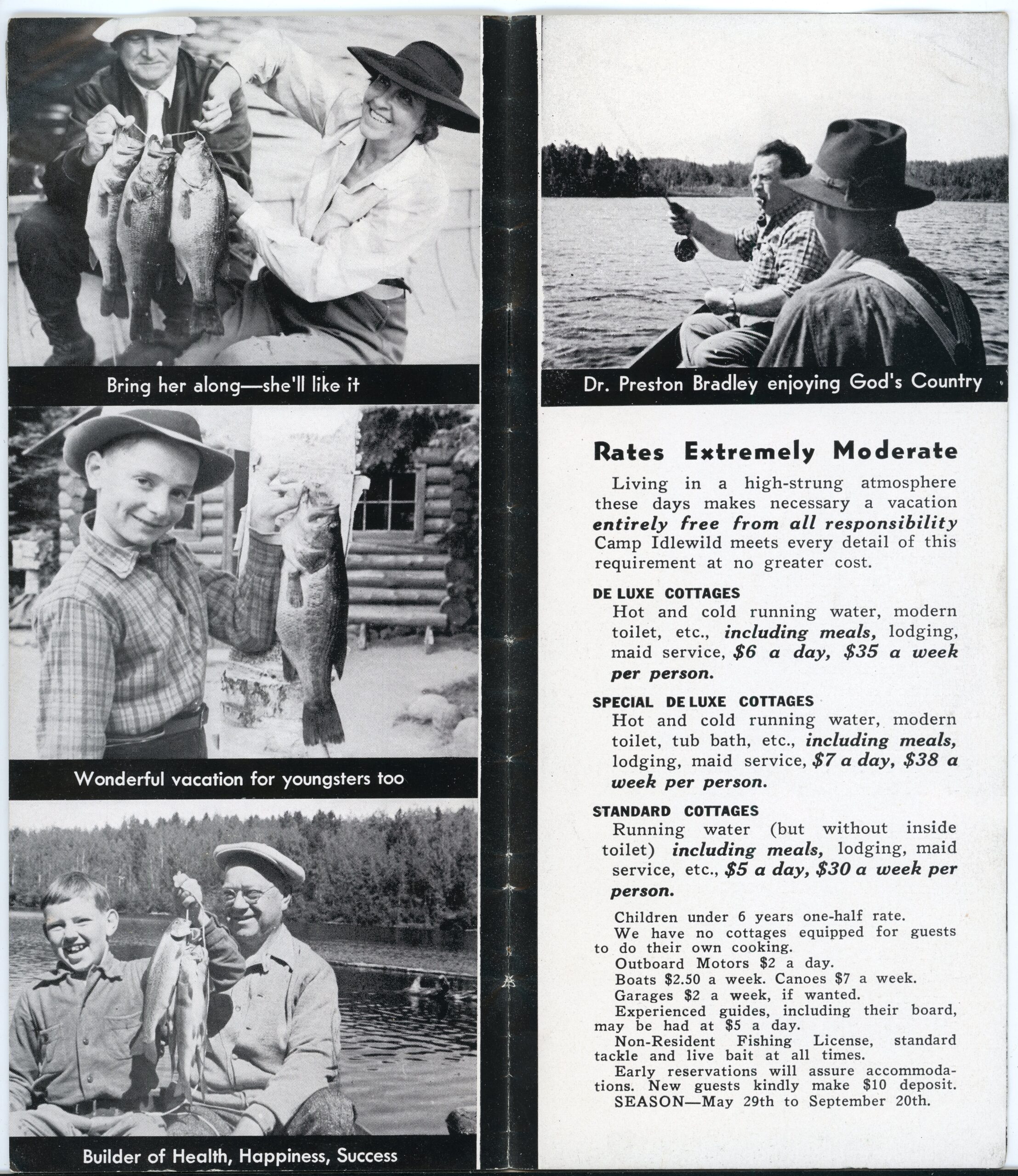
By 1912, cottages were available, and the resort was then called Stickler’s. Over the years, additional buildings and cabins were built until at the zenith, 43 structures including 33 guest cottages occupied the site. Buildings were remodeled, modernized or torn down over time as dictated was no longer needed when electric power reached the camp in 1945. A 1940 brochure described three types of cottages, Deluxe, Special Deluxe or Standard cottages. The rates varied from $4 to $6 per day which included all meals, maid service and depending whether cottages had indoor or outdoor toilets.
Early access didn’t include roads, but rather by train from Deer River on the M. & R.R. and known locally as the Gut and Liver Railroad. The railroad was built by Itasca Lumber Company and was used mainly for logging. The usual train consisted of logging cars, a freight car and a caboose for serving passengers. Guests boarded early morning from Deer River and arrived mid-afternoon at Marcell. From there, they were transported by team and wagon to the camp. In 1932, the railroad quit operations due to timber resources being exhausted, and a network of roads were built to serve the region.
In 1926, Walter purchased a large lodge on Club House Lake that was originally owned by Chicago White Sox. The White Sox used the location to entertain players, employees, customers and business contacts. The Stickler’s operated the lodge as a satellite facility until the 1930’s.
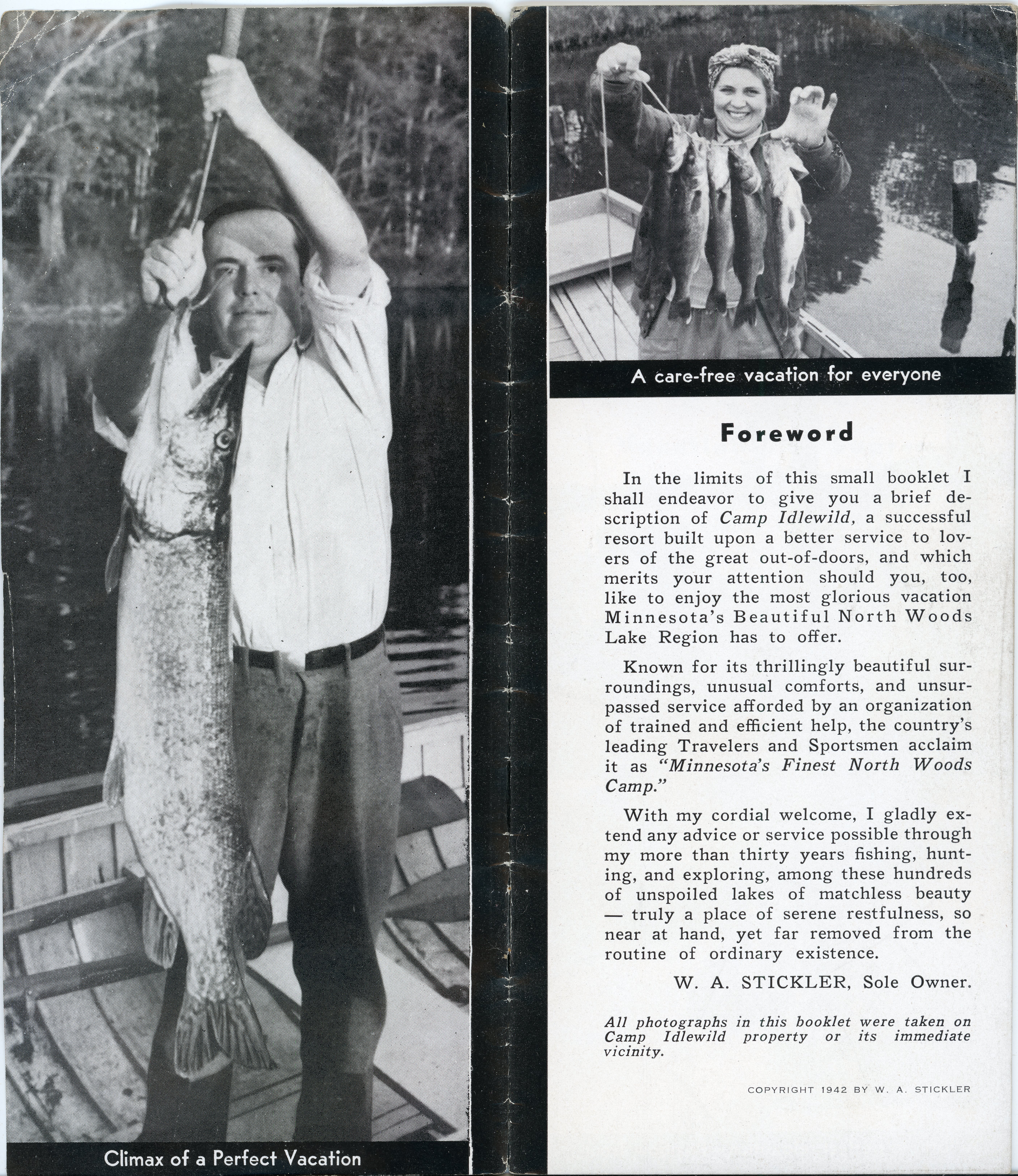
The resort provided full services from fine dining to guide services. Many of the first guests were railroad executives who came in elite railroad cars that parked in Deer River during the early years.
In the early 30’s Walter bought a Bell and Howell movie camera to take pictures of fish and wildlife for promotional purposes. He took the video to Marshall Fields in Chicago and showed pictures in the sporting goods department and other cities to promote tourism for Idlewild. Due to Stickler’s promotional skills via writing and photography, the resort gained regional attention as the place to visit. The guest list included heads of large national firms including Studebaker, Chrysler, Buick, Standard Oil, Pittsburg Steel, Pullman and the founder of Mayo Clinic.
In 1944, Walter sold the resort to Clarence and Evelyn Harris. He and his wife then moved to Cypress Gardens, Florida. Because of his experience with promoting and operating a resort, he became the Vice President of Cypress Gardens of Publicity and worked there for 13 years. His photography inputs there resulted in helping to make Cypress Gardens nationally famous.
After 1970 the resort had numerous owners and was finally closed in 1980. A 1978 plat map shows the property as owned by C. D. Harris. A 2014 plat map describes that area as Coppens Idlewild Shores.